Before the shoot
- Producer. Turns the idea into a plan: budget, schedule, locations, permits, casting and the call sheet.
- Director. Shapes the concept and the script into a treatment and a shot list, and decides how every scene should play.
- Casting. Finds actors, talent or dancers who fit the brand and can deliver on camera.
- Locations and set. Scouts and secures places to film, or builds the set in a studio.
On set
| Role | What they own |
|---|---|
| Director | Performance, story and the final say on each take |
| Producer | Schedule, budget, the client and everything running on time |
| Director of photography (DP) | The look: camera, lenses, framing and how the light is shaped |
| Camera assistant | Focus, lens changes, media and keeping the camera running |
| Gaffer and grip | Lights, power, and the stands and rigging that hold lights and camera |
| Sound recordist | Clean dialogue: microphones, levels and room noise |
| Art, props and wardrobe | Everything in the frame that isn't a person, and what the people wear |
| Hair and makeup | Talent looking right and staying consistent from take to take |
| Production assistants | Moving gear, holding locations and keeping the set clear |
Not every shoot needs every chair filled. A small commercial might combine roles; a larger one adds more camera, lighting and art people. The point is that no one is doing three critical jobs during the same take.
After the shoot
- Editor. Builds the story, the pacing and the timing, and delivers every version you need.
- Color. Gives the footage its finished look and keeps shots consistent.
- Sound mix and music. Cleans dialogue, adds effects and music, and mixes to broadcast and online levels.
- Motion graphics. Logos, titles, offers and end cards.
When one videographer is enough
An event recap, a quick interview or day-to-day social content can be shot well by one skilled person. You get speed and a low cost, and the content does its job.
A full crew pays off when the video carries your brand in paid placements or on TV, when there are actors or dialogue, when lighting has to sell a product or a space, or when one shoot day has to produce a main spot plus social versions. Those are the moments when sound, light, performance and framing all have to be right at once.
How our crew is built
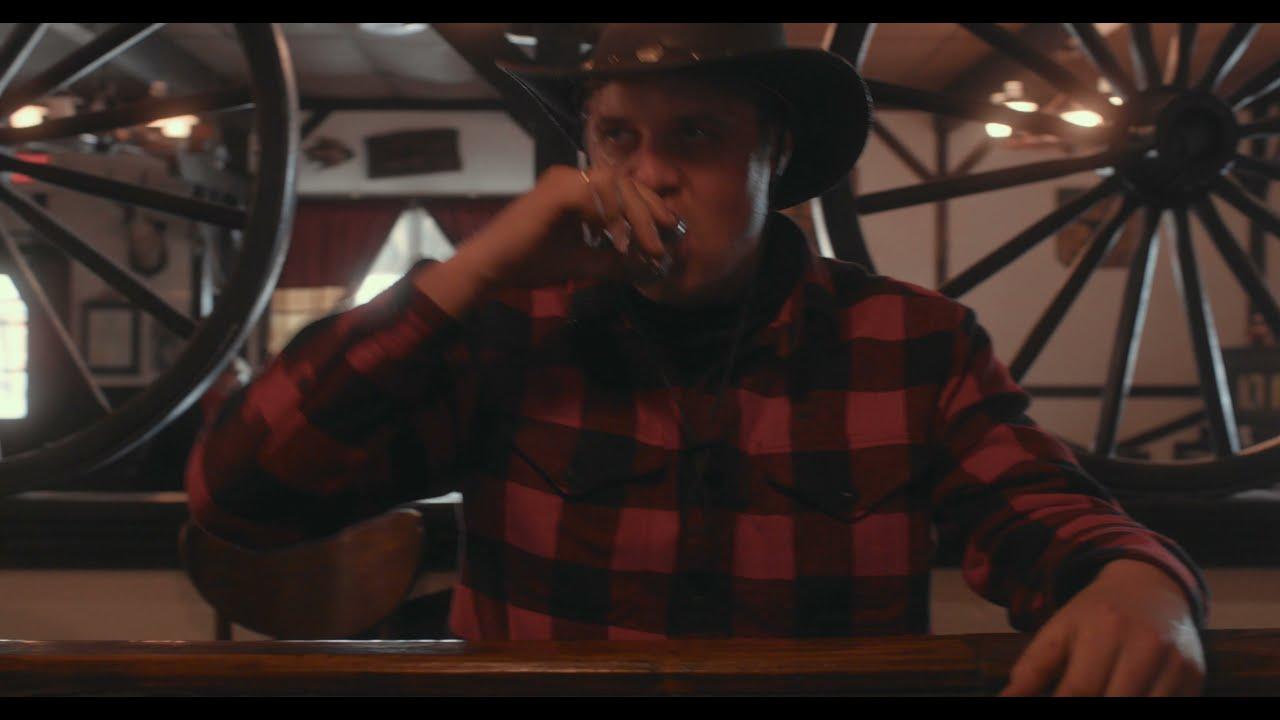
Skyllamas Productions is director-led, from our studio in Totowa, NJ. Every project is produced and directed in-house. Our crew is a mix of our own in-house team and trusted freelancers we work with again and again, so every shoot gets people who already know how we work. Editing, color and finishing, on-set sound and mixing, original music and motion graphics are done in-house, and the crew grows with the script: more camera, lighting, hair and makeup and talent when the spot needs them. You can see the result in The Coolest Sheriff in Town, a scripted commercial shot on a saloon set with a costumed cast, and the rest of our work. You can meet the crew on our About page.
Questions we hear
How many people are on a commercial shoot?
It depends on the script. A small commercial can be made by a handful of people who combine roles. A scripted spot with actors, lighting and sets usually needs more, so that each key job has its own person.
What is the difference between a videographer and a production company?
A videographer usually shoots and often edits alone. A production company plans and runs the whole project: concept, script, crew, casting, locations, the shoot and finishing.
Do I need a full crew for social media ads?
Not always. Simple social content can be shot by one person. A full crew pays off when one shoot day needs to produce a polished main spot plus vertical and short versions.
Who decides the creative on a commercial?
You approve it. The director develops the concept and treatment with you before the shoot, and you sign off on the plan before anyone is booked.