
What shooting to playback means
On a playback shoot the finished, mixed song plays through speakers on set and the artist performs along with it. The cameras record picture only. In the edit, every shot is lined up with the released track, so the audio in the video is exactly the record people stream.
This is how most official music videos are made, and for good reasons:
- Any location works. Traffic, wind or an echoing warehouse don't matter, because no sound is being recorded.
- Unlimited takes and angles. The song can be played again and again, so each pass can be a new angle, lens or setup.
- Choreography and story. Dancers, actors and camera moves can be rehearsed to the exact beat.
- Slow motion that still lip-syncs. The track is played faster on set while the camera shoots at a higher frame rate. Slowed back down, the lips land on the original tempo.
What it asks of you: a final mix before the shoot, and knowing every word and breath at tempo. A performance that is mouthed rather than sung reads as fake on camera, so artists sing out loud even though the microphone isn't recording.
What recording live sound means
On a live-sound shoot the performance is recorded as it happens. Vocals and instruments are miked, the audio is recorded on its own tracks, and it is mixed afterwards to match the picture from the same take.
- It proves you can deliver. For a band, a singer-songwriter or a session-style video, live sound shows the real voice and the real playing.
- The room becomes part of the sound. That is why live shoots happen on a stage or in a controlled space rather than on a busy street.
- Several cameras roll at once. Each take is a whole performance, so the shoot is planned so several cameras cover it from different angles at the same time.
- The edit follows the performance. Cutting between takes has to keep the music continuous, so the best audio take usually decides the edit.
What it asks of you: a band that is tight live, more setup time for microphones and monitoring, and fewer but longer takes.
Side by side
| Playback | Live sound | |
|---|---|---|
| The audio in the video | Your released studio mix | Recorded on set, then mixed |
| Locations | Anywhere | Stage, studio or a quiet, controlled space |
| Takes | As many as the day allows | Fewer, full-length performances |
| Cameras | One or more, moved between takes | Several at once, covering the same take |
| Crew on sound | Playback operator | Sound recordist, microphones, monitoring, then a mix |
| Best for | Official videos, story, dance, slow motion | Bands, live sessions, singer-songwriters, acoustic sets |
Doing both in one video
A common plan: record one or two full live passes for the performance, then switch to playback for close-ups, story scenes, dancers and slow motion. The live audio carries the video, and the playback shots are cut in where the timing allows. It costs more set time than either one alone, so decide it at the treatment stage, not on the day.
Three questions that decide it
- Is the record the product, or the performance? Promoting a released single points to playback. Showing what you sound like on stage points to live sound.
- Do you need locations, dancers or a story? If yes, playback, at least for those scenes.
- How tight is the band live? Live sound is honest. That is its strength, and the reason to rehearse before the shoot.
How we film both
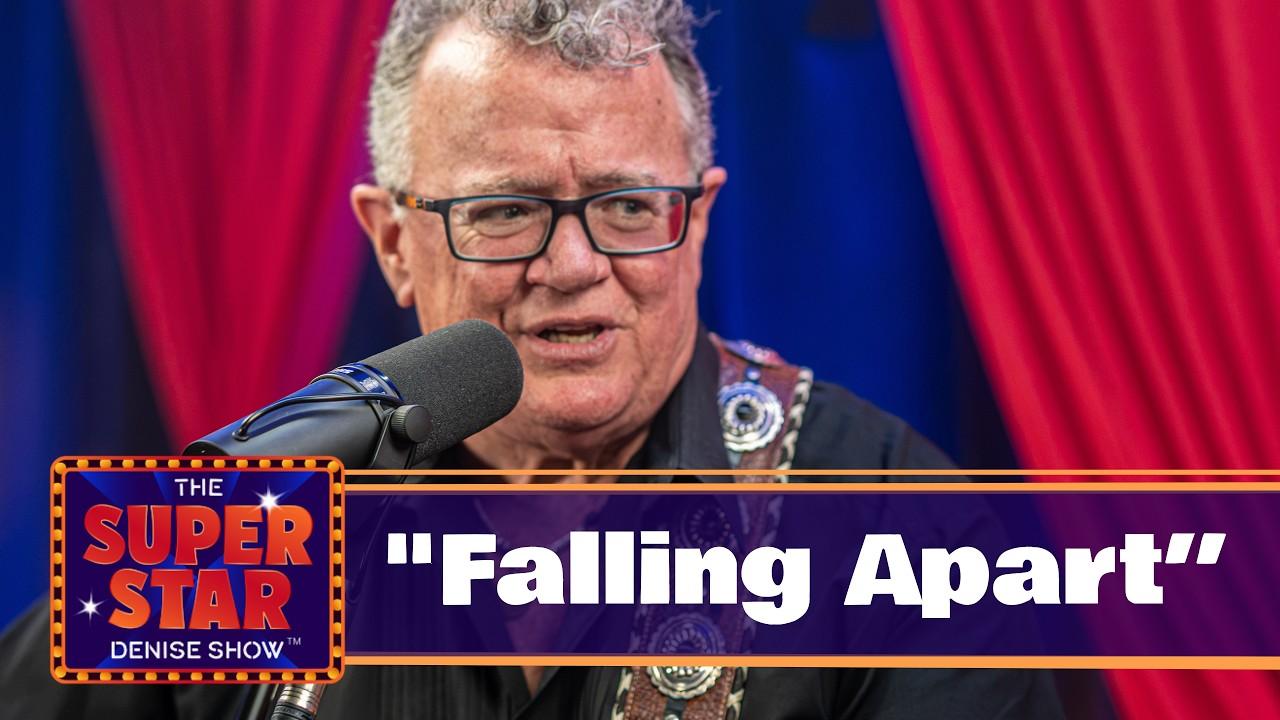
We shoot both ways from our studio in Totowa, NJ, and on location. Here's a look behind the curtain: the live performances on The Superstar Denise Show™, such as the Zeke Carey Band's “Falling Apart” and Kyle Head's “It Was the Whiskey”, are filmed as hybrids. We first record the live master takes, with the band playing and singing for real, and then play those live tracks back to film extra camera angles. You hear the real live performance, and you see it from more angles than one take could cover.
Our music videos are directed by a former competitive ballroom dancer, so movement and camera are planned together on playback shoots. On-set sound, mixing and original music are handled in-house. You can see both kinds of work on our music video page.
Questions we hear
Is lip-syncing normal in music videos?
Yes. Most official music videos are shot to playback so the video carries the released studio mix. Artists still sing out loud on set so the performance looks real.
Can you record live vocals for a music video?
Yes. Vocals and instruments are miked and recorded on their own tracks during the performance, then mixed to match the picture. It works best on a stage or in a studio where the sound can be controlled.
Can one music video mix live sound and playback?
Yes. A live pass can carry the performance while playback is used for close-ups, story scenes, dancers or slow motion. Plan it before the shoot, because it needs more set time.
Do I need a final mix before a playback shoot?
Yes. The video is cut to the exact track you play on set, so changing the mix or the arrangement afterwards can throw the sync off.